
Business & Career Advice

What High-Trust Work Cultures Get Right

What High-Trust Work Cultures Get Right

Trust is one of those workplace buzzwords that gets thrown around — right up there with “culture” and “alignment.” But high-trust work cultures aren’t built on vibes alone. They show up in how decisions get made, how leaders communicate, and how people are allowed to work. In 2026, the companies pulling ahead aren’t the ones with the strictest rules — they’re the ones that operate with the most trust baked into the system.

What High-Trust Work Cultures Get Right Read More »
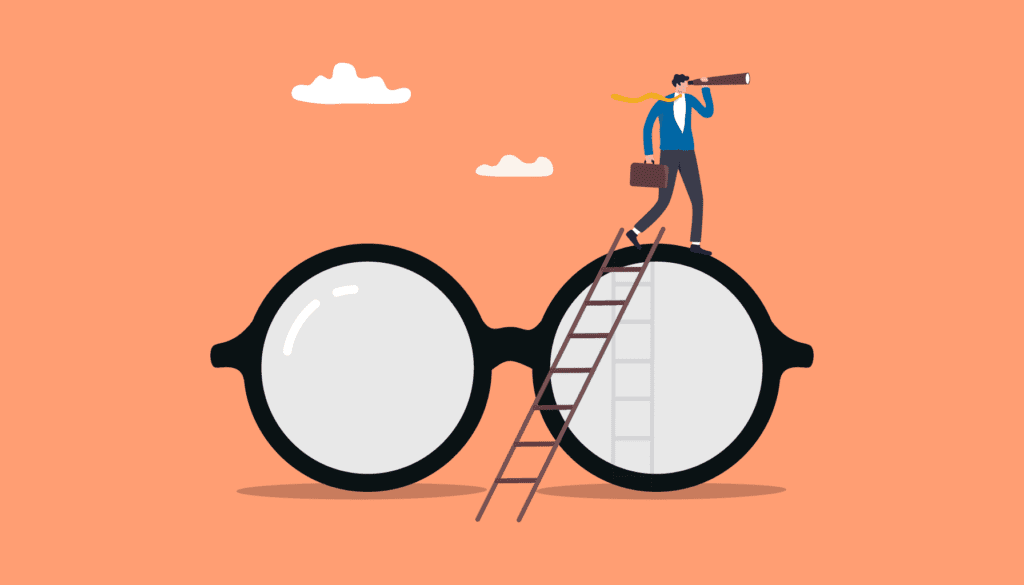
Why the Future of Work Is Less About Location and More About Clarity

Why the Future of Work Is Less About Location and More About Clarity

Remote. Hybrid. Office-first. For the past few years, the future of work has been framed as a location debate — Where should people work? But in 2026, the real differentiator isn’t where work happens. It’s how clearly the work is defined. Teams are learning that clarity around goals, expectations, and communication matters far more than whether someone is working from a kitchen table or a corporate office.

Why the Future of Work Is Less About Location and More About Clarity Read More »

The New Rule of Work: If It’s Confusing, It’s Broken

The New Rule of Work: If It’s Confusing, It’s Broken

Work has gotten more complicated than it needs to be. Endless tools. Bloated processes. Meetings about meetings. Somewhere along the way, “complex” became a badge of importance. But in 2026, top teams are adopting a new rule: if it’s confusing, it’s broken. Confusion isn’t a sign of sophistication — it’s a signal that something in the system isn’t working. The companies pulling ahead are the ones simplifying how work actually gets done.

The New Rule of Work: If It’s Confusing, It’s Broken Read More »

The New Career Path Isn’t a Ladder — It’s a Jungle Gym

The New Career Path Isn’t a Ladder — It’s a Jungle Gym

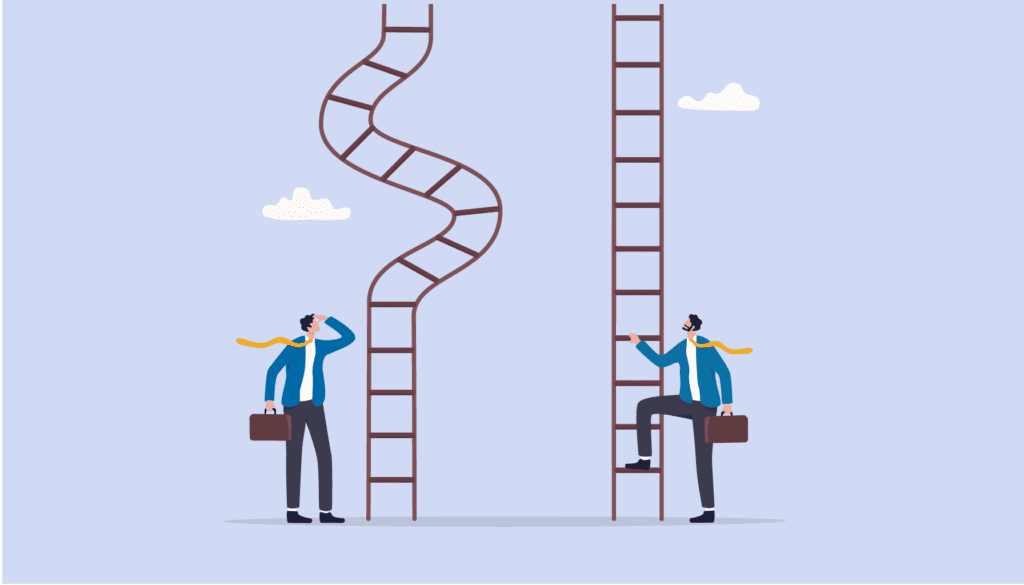
The old career advice was simple: climb the ladder. Start at the bottom, move up rung by rung, and one day you’d land a title that meant you “made it.” But that model doesn’t match how careers actually work in 2026. Today’s paths zigzag. People move sideways, take detours, switch industries, pause to upskill, and sometimes step down to level up. The modern career isn’t a ladder — it’s a jungle gym. And that’s not a problem. It’s the strategy.

The New Career Path Isn’t a Ladder — It’s a Jungle Gym Read More »

How Clear Goals Are Beating Longer Hours

How Clear Goals Are Beating Longer Hours

For years, hustle culture sold us the same promise: work longer, win bigger. Late nights. Full calendars. “Always on.” But in 2026, that logic is cracking. More teams are realizing that productivity doesn’t come from clocking more hours — it comes from knowing exactly what matters. Clear goals are quietly outperforming longer workdays, and the shift is changing how high-performing teams operate.

How Clear Goals Are Beating Longer Hours Read More »

Why Job Descriptions No Longer Match the Actual Job

Why Job Descriptions No Longer Match the Actual Job

Job descriptions are supposed to set expectations. Instead, they’re increasingly setting people up for surprise. Candidates accept roles expecting one thing—only to discover the day-to-day looks very different. From vague titles to rapidly changing responsibilities, the gap between what’s posted and what’s practiced is widening. As work evolves faster than hiring processes, job descriptions are struggling to keep up.

Why Job Descriptions No Longer Match the Actual Job Read More »

The “Always Available” Trap in Hybrid Work

The “Always Available” Trap in Hybrid Work

Hybrid work was supposed to give us the best of both worlds: flexibility from home and collaboration in the office. But for many workers, it’s quietly created a new problem — the pressure to be always available. When your home is your office and your office is still part of your week, the line between “on” and “off” can blur fast. Notifications don’t stop at 5 p.m., messages get answered from the couch, and being responsive starts to feel like part of your job description. Over time, this constant availability can chip away at focus, boundaries, and well-being.

The “Always Available” Trap in Hybrid Work Read More »

Micro-Retirements: The New Way Workers Are Taking Breaks Without Quitting

Micro-Retirements: The New Way Workers Are Taking Breaks Without Quitting

In recent years, traditional career trajectories have shifted dramatically. Gone are the days when employees stayed at the same job for decades before retiring at 65. Today’s workforce increasingly values flexibility, balance, and life experiences over strictly linear professional paths. One of the most compelling trends emerging from this shift is the concept of micro-retirements—extended breaks from work taken by professionals throughout their careers without permanently leaving the workforce. These intermissions offer individuals a chance to recharge, pursue personal goals, and rethink their priorities while maintaining long-term career prospects.

Micro-Retirements: The New Way Workers Are Taking Breaks Without Quitting Read More »

Why Younger Workers Care More About Flexibility Than Titles

Why Younger Workers Care More About Flexibility Than Titles

For decades, job titles were the currency of career success. Manager. Director. VP. The higher the title, the more “made it” you were supposed to feel. But younger workers are quietly changing the rules. Instead of chasing status, many are prioritizing flexibility: where they work, when they work, and how their job fits into the rest of their life. This shift isn’t about a lack of ambition — it’s about redefining what a “good job” actually looks like in 2026.

Why Younger Workers Care More About Flexibility Than Titles Read More »

From Hustle to Sustainable Pace: How Burnout Culture Is Fading

From Hustle to Sustainable Pace: How Burnout Culture Is Fading

For decades, hustle culture—the glorification of long hours, constant productivity, and “always-on” work—has dominated professional narratives. From startup environments to corporate boardrooms, the message was simple: work harder, sacrifice more, sleep less, and success will follow. Yet as individuals and organizations increasingly grapple with the human cost of relentless productivity, a shift is underway. More people are questioning the sustainability of burnout culture and advocating for healthier approaches that prioritize well-being, balance, and long-term performance. What once seemed like a badge of honor—exhaustion as a sign of commitment—is now being reevaluated in favor of sustainable work habits that support both personal fulfillment and professional excellence.

From Hustle to Sustainable Pace: How Burnout Culture Is Fading Read More »