
Business & Career Advice

Quiet Ambition: Why Workers Are Refocusing Their Careers on Stability Over Status

Quiet Ambition: Why Workers Are Refocusing Their Careers on Stability Over Status

For decades, climbing the career ladder was the gold standard of professional success. Prestige, promotions, and public recognition shaped a culture where louder ambition often equaled greater value. But today’s workforce is shifting its priorities. A growing number of employees—across generations—are redefining ambition itself. Instead of chasing titles and nonstop advancement, they’re seeking something both simpler and more profound: stability. This movement, often referred to as quiet ambition, reflects a recalibration of what constitutes a fulfilling, sustainable career in a world marked by volatility, burnout, and shifting economic realities.

Quiet Ambition: Why Workers Are Refocusing Their Careers on Stability Over Status Read More »

The New Digital Etiquette: How Hybrid Work Is Redrawing Professional Norms

The New Digital Etiquette: How Hybrid Work Is Redrawing Professional Norms

Hybrid work has reshaped the way teams collaborate, communicate, and coordinate across digital and physical spaces. With fewer people in the same room and more interactions happening through screens, the unwritten rules of professionalism have quickly evolved. What was once acceptable—or even expected—in an office setting doesn’t always translate cleanly to a hybrid one. As organizations continue refining their new normal, a fresh layer of digital etiquette is emerging, influencing everything from meeting behavior to communication cadence.

The New Digital Etiquette: How Hybrid Work Is Redrawing Professional Norms Read More »

Performance Reviews Under Fire: Are They Helping or Hurting Teams?

Performance Reviews Under Fire: Are They Helping or Hurting Teams?

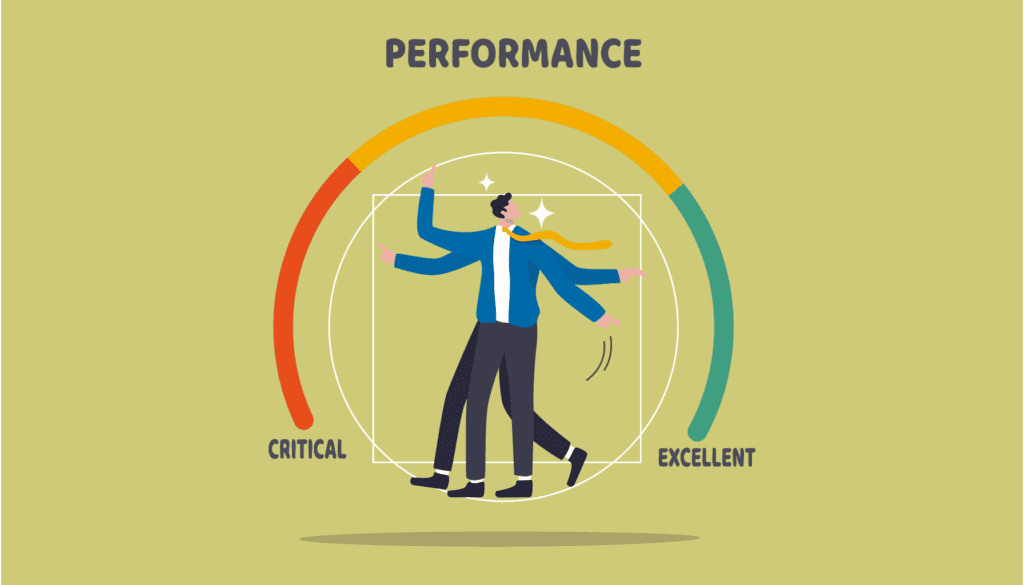
For decades, performance reviews have been the backbone of how companies evaluate employees, distribute raises, and guide career development. But in today’s rapidly changing workplace, these once-a-year assessments are facing renewed scrutiny. Employees argue that traditional reviews feel outdated, overly rigid, and disconnected from real day-to-day work. Managers often admit they dread the process just as much. With growing skepticism on both sides, a critical question is emerging: Are performance reviews actually helping teams grow—or are they quietly holding them back?

Performance Reviews Under Fire: Are They Helping or Hurting Teams? Read More »

Micro-Teams, Macro Impact: The New Structure Redefining Workplace Agility

Micro-Teams, Macro Impact: The New Structure Redefining Workplace Agility

As organizations navigate a rapidly shifting business landscape, traditional team structures are struggling to keep pace. Large departments and rigid reporting lines often slow down decision-making and limit innovation. In response, a growing number of companies are turning to micro-teams—small, specialized groups built to move fast, adapt quickly, and tackle high-impact projects with precision. This emerging structure is transforming not just how work gets done, but how organizations think about collaboration, accountability, and agility.

Micro-Teams, Macro Impact: The New Structure Redefining Workplace Agility Read More »

The Great Re-Leveling: Why Skills Matter More Than Titles in 2026

The Great Re-Leveling: Why Skills Matter More Than Titles in 2026

Workplaces in 2026 look dramatically different from those of just a few years ago. The steep hierarchies, rigid titles, and slow-moving career ladders that once defined professional growth are being reshaped by a powerful shift: skills now speak louder than status. As companies adapt to technological acceleration, talent shortages, and evolving employee expectations, the real value an individual brings is no longer captured by the title printed on their business card. Instead, capability, adaptability, and demonstrable skill have become the new currency of career momentum—a shift many experts are calling The Great Re-Leveling.

The Great Re-Leveling: Why Skills Matter More Than Titles in 2026 Read More »

When Schedules Don’t Move but the World Does

When Schedules Don’t Move but the World Does

Workplaces today are operating in a world that shifts faster than ever—economies evolve, customer expectations change overnight, and technology reshapes entire workflows within months. Yet despite this rapid external change, many organizations cling to rigid scheduling practices that haven’t evolved in decades. Employees are often expected to fit modern demands into outdated time structures, creating unnecessary strain, lost productivity, and a widening disconnect between how people need to work and how their schedules force them to work. The result? Burnout, disengagement, and missed opportunities to adapt.

When Schedules Don’t Move but the World Does Read More »

The Unspoken Rules That Make Work Harder Than It Should Be

The Unspoken Rules That Make Work Harder Than It Should Be

Every workplace has rules—HR policies, handbook guidelines, and official procedures. But lurking beneath those written expectations are the unspoken rules—the subtle norms, silent expectations, and cultural cues that shape how employees really operate. These aren’t printed anywhere, yet they hold enormous power. They influence how people communicate, who gets noticed, how decisions are made, and why some employees thrive while others quietly struggle. And when these unwritten rules go unchecked, they can make work unnecessarily stressful, confusing, and exhausting.

The Unspoken Rules That Make Work Harder Than It Should Be Read More »

Why Your Team Is Exhausted (And What Leaders Can Do About It)

Why Your Team Is Exhausted (And What Leaders Can Do About It)

Employee exhaustion isn’t a random occurrence—it’s a reflection of the environment they’re working in. Today’s teams are juggling heavier workloads, constant communication demands, shrinking resources, and pressure to perform in increasingly ambiguous conditions. Exhaustion shows up quietly at first: slower responses, declining creativity, missed details. But when ignored, it becomes a full-scale burnout crisis that costs organizations talent, productivity, and morale.
The good news? Leaders have far more influence over team energy than they often realize.

Why Your Team Is Exhausted (And What Leaders Can Do About It) Read More »

What Happens When Productivity Becomes the Only Metric?

What Happens When Productivity Becomes the Only Metric?

In many modern workplaces, productivity has become the ultimate yardstick—measured in output, deliverables, and efficiency charts that supposedly define success. While tracking productivity isn’t inherently harmful, elevating it as the only metric can distort priorities, strain employees, and undermine long-term organizational health. When every decision, task, and performance review hinges on output alone, companies risk sacrificing the very qualities that sustain innovation, creativity, and employee well-being.

What Happens When Productivity Becomes the Only Metric? Read More »

Have You Outgrown Your Career Position — or Is the Job Role Shrinking?

Have You Outgrown Your Career Position — or Is the Job Role Shrinking?

At some point in many careers, work that once felt challenging starts to feel smaller. Tasks become routine, decisions feel limited, and growth slows. This moment can trigger a difficult question: have you outgrown your role, or is the role itself quietly shrinking? In today’s shifting workplace—marked by automation, restructuring, and leaner teams—the answer isn’t always obvious. Understanding the difference is critical, because each scenario calls for a very different next move.

Have You Outgrown Your Career Position — or Is the Job Role Shrinking? Read More »