
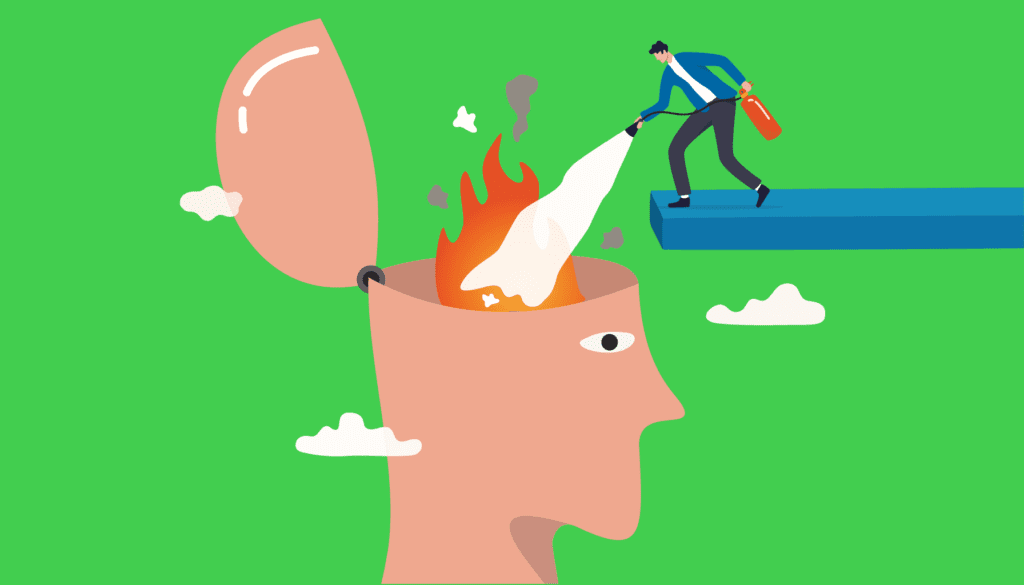
For decades, hustle culture—the glorification of long hours, constant productivity, and “always-on” work—has dominated professional narratives. From startup environments to corporate boardrooms, the message was simple: work harder, sacrifice more, sleep less, and success will follow. Yet as individuals and organizations increasingly grapple with the human cost of relentless productivity, a shift is underway. More people are questioning the sustainability of burnout culture and advocating for healthier approaches that prioritize well-being, balance, and long-term performance. What once seemed like a badge of honor—exhaustion as a sign of commitment—is now being reevaluated in favor of sustainable work habits that support both personal fulfillment and professional excellence.
1. The Hidden Costs of Hustle Culture
Hustle culture didn’t emerge in a vacuum—it was fueled by the promise of rapid success, competitiveness, and the normalization of “grinding” as a pathway to achievement. But as more workers share their real experiences, it’s clear that constant overwork exacts a toll:
- Physical and mental health consequences: Chronic stress, disrupted sleep, anxiety, and burnout have become epidemic among professionals who feel pressured to exceed expectations at all costs.
- Decreased long-term productivity: While short bursts of intense effort can yield results, sustained overwork can impair cognitive performance, decision-making, and creativity.
2. Rising Awareness and Cultural Backlash
In recent years, conversations about burnout, work-life balance, and mental health have moved from niche online forums into mainstream discourse. Influencers, academics, and even leaders within major corporations are pushing back against the idea that more hours equals more value. Key indicators of this shift include:
- Public discussions: Books, podcasts, and social media campaigns about burnout and wellbeing have gained traction, encouraging people to rethink how they define success.
- Research and reporting: Studies highlighting the economic and personal costs of overworking have lent data-driven urgency to the conversation, revealing links between burnout and decreased employee retention, engagement, and satisfaction.
3. Organizational Shifts Toward Sustainability
Employers are increasingly recognizing that thriving teams require thoughtful policies and supportive environments. A growing number of organizations are adopting practices that encourage healthier work habits, such as:
- Flexible scheduling and remote work options: Allowing employees to tailor their work hours and environments helps reduce stress and improve overall satisfaction.
- Focus on outcomes, not hours: Performance evaluations are shifting toward measurable impact rather than time spent logged in.
- Mental health resources: Many companies now offer counseling services, wellness programs, and mental health days as standard benefits.
4. A New Generation’s Expectations
Millennials and Gen Z workers have played a significant role in challenging burnout culture. Unlike previous generations that often measured success by advancement and salary alone, younger professionals frequently prioritize purposeful work, personal wellbeing, and balanced lifestyles. They’re more vocal about boundaries, more likely to switch jobs for better conditions, and more inclined to demand transparency and support around mental health.
5. The Rise of Sustainable Productivity
“Sustainable productivity” reframes achievement as something that should enhance, not detract from, overall quality of life. This mindset values:
- Rest and recovery as essential components of performance.
- Boundaries between work and personal life.
- Long-term wellbeing over short-term output.
In practical terms, this means encouraging time off without guilt, limiting after-hours communication, and adopting organizational norms that respect personal time.
Final Thoughts
The decline of hustle culture—long celebrated and often unquestioned—reflects a deeper evolution in how we view work, success, and human potential. Rather than idolizing exhaustion and perpetual motion, emerging workplace norms emphasize balance, clarity of purpose, and sustainable rhythms. This shift doesn’t discount dedication or ambition—it simply reframes them within a context that honors well-being and resilience. As individuals and organizations continue to embrace sustainable work practices, the future of work looks less like a race against burnout and more like a marathon paced for longevity, creativity, and fulfillment.
📌 Does your workplace advocate for a healthier work-life balance? Share in the comments!