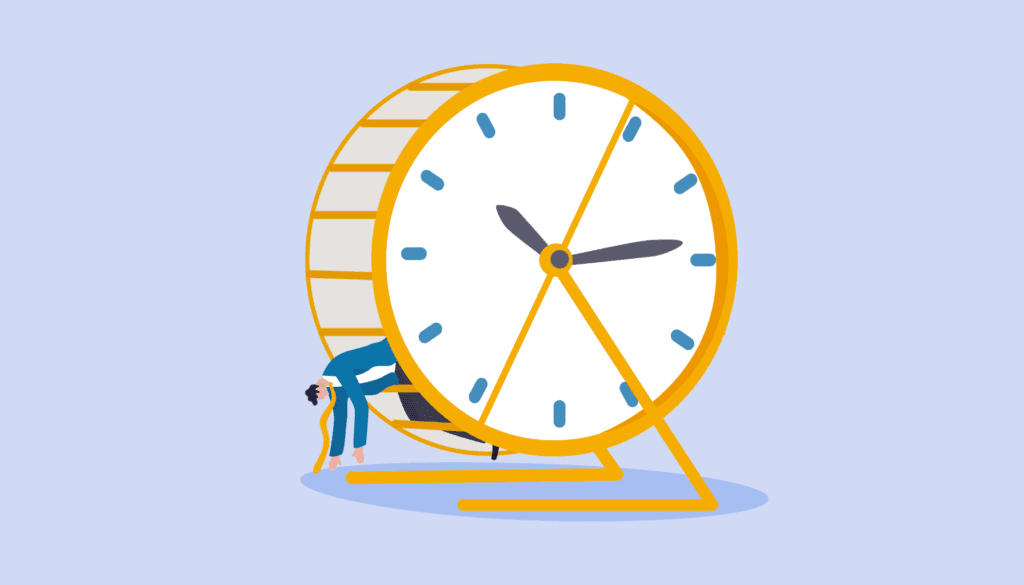
You’ve been pushing hard for years. Early mornings, late nights, extra projects, constant learning, and endless striving—everything to stay ahead, prove yourself, and reach the next level. And somewhere along the way, it caught up with you.
Overachievement fatigue isn’t just burnout. It’s the quiet, creeping exhaustion that comes from always chasing more—more recognition, more promotions, more results—without pausing to breathe, reflect, or celebrate. Even when you’re technically succeeding, you feel drained, disconnected, or unsatisfied.
Here’s why it happens and how to recover without giving up your ambition.
Why Overachievement Fatigue Happens
The “more is better” mindset
High achievers often equate self-worth with output. Success becomes a metric, not a feeling, and the drive to overdeliver never stops.Neglecting emotional energy
Focusing on tasks, goals, and metrics can make you overlook your mental and emotional bandwidth. Energy is finite—and ignoring it creates cumulative fatigue.Perfectionism in disguise
Pushing yourself relentlessly often masks fear of failure or doubt. You’re chasing excellence, but sometimes the real goal is simply avoiding the idea of being “not enough.”Lack of meaningful pauses
Even small breaks matter. When you’re constantly in motion, your body and mind never fully recharge, making every new achievement feel heavier than it should.How to Recover
Reassess what matters
Step back and ask: What truly drives satisfaction for me? Not what looks good on a resume, but what energizes you, teaches you, or brings connection.Redefine productivity
Productivity isn’t just output—it’s sustainable energy, focus, and quality. Start measuring wins by how effectively you use your energy, not just your time or effort.Build intentional rest
Rest isn’t optional. Schedule recovery like a project: sleep, hobbies, movement, and time with loved ones. Treat it as a non-negotiable part of success.Celebrate small wins
Acknowledging achievements—even minor ones—replaces constant striving with gratitude and perspective. This shifts motivation from pressure to pride.Set boundaries with ambition
Ambition is powerful—but without limits, it becomes a trap. Identify areas where “good enough” is truly enough and allow yourself to step back.When Recovery Feels Possible
Recovering from overachievement fatigue doesn’t mean slowing down forever. It means learning to pace yourself, reconnect with purpose, and preserve the energy that makes high performance sustainable. The goal isn’t less ambition—it’s smarter ambition.
📌 Which part of your success habits leaves you energized, and which part leaves you drained? How can you adjust without sacrificing your goals?