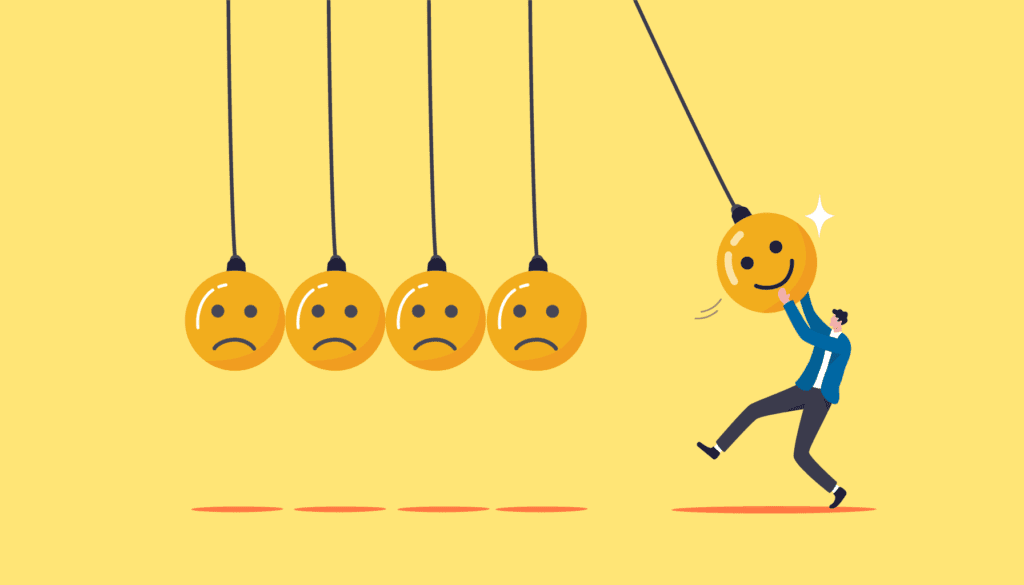
Leadership isn’t just about strategy, vision, or delivering results. It’s about showing up consistently for your team, navigating uncertainty, and managing your own emotional energy—all while staying effective.
Many leaders underestimate the emotional toll of guiding others. The decisions, the accountability, the constant balancing act—it adds up. Even when you’re competent and confident, leadership can feel exhausting if you’re not building emotional endurance alongside your skills.
Here’s why emotional endurance matters, and how to strengthen it without burning out.
Why Leadership Demands Emotional Endurance
Carrying responsibility constantly
Leaders make decisions that affect people’s careers, wellbeing, and company outcomes. That weight isn’t just intellectual—it’s deeply emotional.Managing others’ highs and lows
From celebrating wins to navigating conflict or disappointment, leaders absorb the emotional energy of their teams. Empathy is essential—but it can be draining if not balanced.Facing isolation at the top
Leadership often means being the final decision-maker. You can’t always share doubts or frustrations freely, and that can feel lonely.Balancing vision and reality
Guiding a team toward ambitious goals while staying grounded in operational reality takes constant emotional calibration. Misalignment creates stress and fatigue.How to Build Emotional Endurance
Recognize and normalize the strain
Admit that leadership is taxing. Naming it reduces shame, validates your experience, and opens the door for strategies to protect your energy.Develop self-awareness
Check in with your emotional state regularly. Notice what triggers stress, frustration, or depletion. Awareness helps you respond rather than react.Build support systems
Mentors, peers, or coaches aren’t luxuries—they’re lifelines. They provide perspective, guidance, and emotional ventilation when you need it most.Prioritize recovery routines
Even leaders need mental breaks. Exercise, mindfulness, hobbies, and downtime aren’t optional—they’re essential for sustaining performance and clarity.Set boundaries with empathy
Being emotionally available doesn’t mean being constantly “on.” Know when to engage, when to delegate, and when to step back without guilt.Leading with Endurance
The most effective leaders aren’t just strategic—they’re resilient, self-aware, and emotionally sustainable. Emotional endurance doesn’t mean suppressing feelings—it means managing them so you can show up consistently for your team, your goals, and yourself.
📌 Reflection Prompt:
When was the last time leadership drained you emotionally, and what could you do differently to preserve your energy while still being present for your team?