When we talk about productivity, we usually talk about time. Calendar hacks. Prioritization tools. The perfect to-do list system.
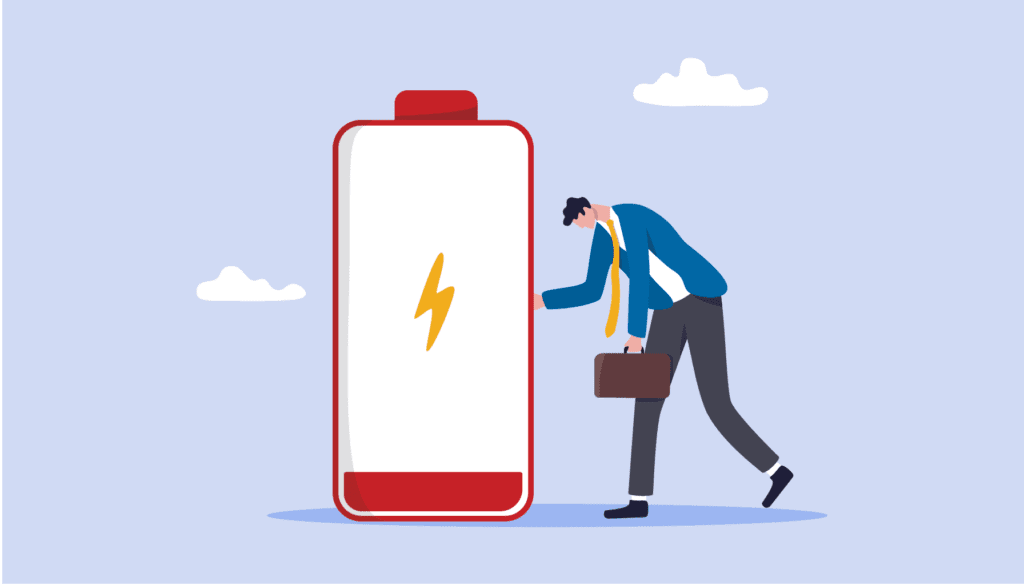
But time isn’t the only resource that determines how much you can get done—or how you feel while doing it.Energy is the real bottleneck.
And if you’re constantly exhausted, unfocused, or unmotivated, it might not be because you’re overworked…
You might just be running an invisible energy deficit you’ve never named.Here’s how to run a quick energy audit—and identify the hidden drains you might be ignoring.
1. The Meetings That Leave You Mentally Fried
Not all meetings are created equal. Some energize you. Others leave you wondering where the last hour of your life went.
You can usually spot the difference:
Energizing: collaborative, decision-focused, relevant to your goals
Draining: vague agendas, unclear outcomes, performance-based status updates, or meetings where you feel like you have to perform instead of contribute
📌 Audit Tip: Review your past two weeks of meetings. Which ones gave you energy, and which ones took it away? Can you opt out, shorten, or restructure the ones that drain you?
2. The Unspoken Emotional Labor
Being the team cheerleader. The peacemaker. The unofficial note-taker. The person who always follows up, smooths things over, or takes on the invisible work no one else wants.
It’s not in your job description—but it is taking a toll.
Unrecognized emotional labor doesn’t just eat time—it saps energy, erodes boundaries, and can quietly lead to resentment or burnout.
📌 Audit Tip: Ask yourself: “What do I do that keeps everything running, but no one sees?” Then decide if it’s sustainable—or if you need to start drawing clearer lines.
3. The Context Switching Spiral
Responding to a Slack message, jumping to email, back to a doc, then into a call, then trying to write something meaningful… all within 30 minutes?
That cognitive whiplash adds up.
Every switch costs mental focus—even if it only takes seconds.📌 Audit Tip: Try tracking your task switches for one hour. Just note every time you shift contexts. You’ll probably be shocked by how many times you shift gears—and how little deep work you’re actually doing.
4. The Pressure to Always Be “On”
Whether it’s in meetings, emails, or group chats—performative presence is exhausting.
It’s the pressure to be polished, upbeat, responsive, even when you’re drained.
Over time, pretending to be “fine” is more tiring than being busy.📌 Audit Tip: Notice where you’re spending energy managing perception instead of doing actual work. That kind of pressure is subtle—but heavy.
5. The Constant Low-Level Noise
Pings. Notifications. Calendar reminders. The open tabs. The visual clutter.
These little things seem harmless, but they add to your cognitive load all day long.Your brain can only process so much stimulus before it starts slowing down. And when everything feels “urgent,” nothing gets your best attention.
📌 Audit Tip: Do a five-minute digital declutter. Close unused tabs. Mute notifications. Reclaim your mental whitespace—even briefly.
Final Thoughts:
When your energy is low, you might think the solution is more rest—or more motivation.
But often, the fix isn’t more of anything. It’s less of what’s quietly draining you.📌 Run your own energy audit. What’s costing you the most mental bandwidth—and what can you adjust, delegate, or drop?
What’s one small change you’ve made that gave you a surprising amount of energy back?