
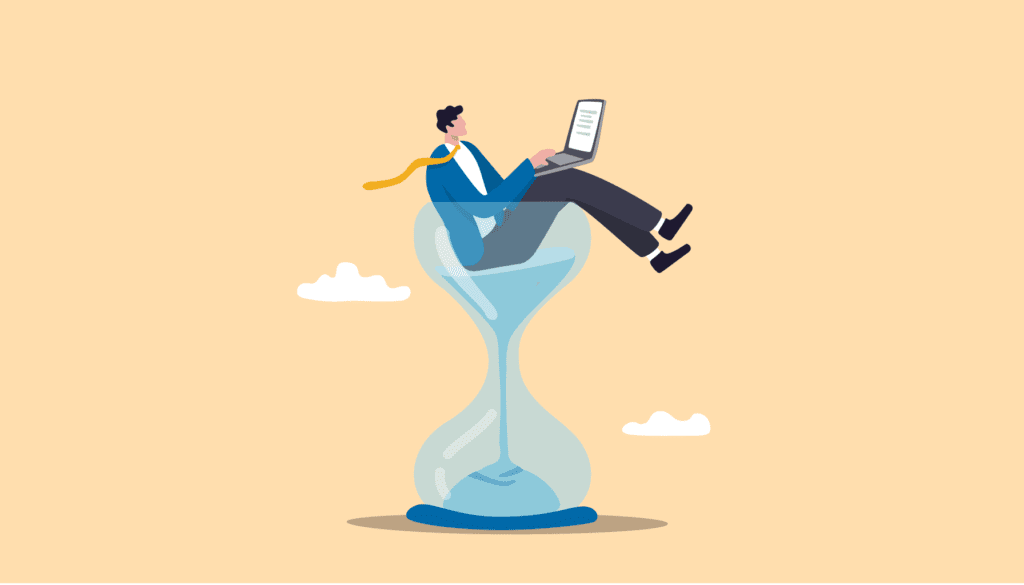
We’ve all been there—staying late at the office to wrap up one last task or respond to a few emails. It seems harmless, even productive. But the phrase “just one more hour” hides a deeper cost that goes beyond fatigue. Working longer hours may seem like dedication, but it can quietly erode your health, creativity, and overall well-being, ultimately affecting both your career and personal life.
- Physical and Mental Health Risks
Staying late consistently can disrupt sleep patterns, increase stress, and contribute to burnout. Over time, these factors can lead to serious health issues like high blood pressure, anxiety, or weakened immunity. Your body and mind need recovery time—not just more work. - Diminished Productivity and Focus
Ironically, the extra hour often doesn’t yield proportional results. Mental fatigue sets in, mistakes multiply, and the quality of work drops. Studies show that after a certain point, longer hours reduce efficiency rather than enhance it. - Impact on Work-Life Balance
That “one more hour” chips away at personal time, hobbies, and relationships. Over weeks and months, this imbalance can strain your social connections and leave you feeling disconnected from life outside the office. - Career Consequences
While it may seem like dedication, consistently staying late can backfire. Colleagues and managers may begin to rely on you disproportionately, leading to unrealistic expectations. Meanwhile, the lack of downtime stifles innovation and strategic thinking—skills essential for long-term career growth. - Hidden Financial Costs
Overworking can indirectly affect your finances. Health issues and burnout can lead to medical expenses, while chronic fatigue can reduce work performance, limiting promotions or raises. Investing in rest often pays off more than investing in extra hours at the desk.
Final Thoughts
“Just one more hour” might feel like a small sacrifice, but the cumulative effects are anything but small. Recognizing the hidden costs—on your health, relationships, and career—can help you set boundaries and work smarter, not longer. True professional success isn’t measured by hours clocked in, but by sustainable performance, creativity, and well-being.
📌Does your workplace encourage working longer hours or follow a strict schedule? Share in the comments!