
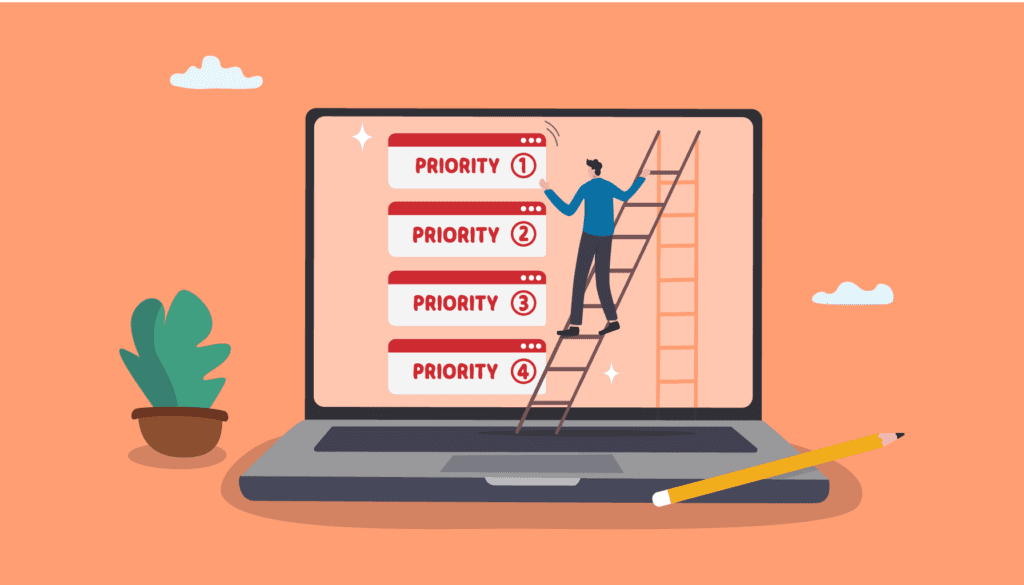
For decades, managers set schedules, assigned tasks, and decided how work should flow. Increasingly, that role is being shared — or quietly replaced — by software. From calendar tools that auto-schedule meetings to platforms that track productivity, prioritize tasks, and flag “underperformance,” software is no longer just supporting work. It’s managing it.
This shift isn’t loud or dramatic. There’s no single moment when workers realize the workday has changed. Instead, it shows up in small ways: nudges, alerts, dashboards, and automated decisions that shape how time is spent. As software takes on a managerial role, the workday is becoming more structured — and, in some cases, more constrained.
1. The Workday Becomes Algorithmic
Software doesn’t think in terms of energy, creativity, or nuance. It thinks in data. When tools begin organizing tasks and time, workdays are optimized for efficiency rather than human rhythm. Meetings are scheduled back-to-back because the calendar says there’s availability. Tasks are prioritized based on deadlines and metrics, not mental load or complexity.
The result is a workday that looks efficient on paper but often feels exhausting in practice.
2. Productivity Becomes Highly Visible
Many modern tools measure output constantly — response times, task completion rates, active hours, and engagement levels. This visibility can create clarity, but it also introduces pressure. When everything is tracked, employees may feel compelled to perform productivity rather than focus on meaningful work.
Instead of asking “Is this the best use of my time?” workers start asking “How does this look in the system?”
3. Autonomy Quietly Shrinks
Software-driven workflows often come with default rules: when to work, how long tasks should take, and what “normal” output looks like. While these systems are designed to reduce friction, they can also limit flexibility. Employees may have less freedom to adjust their day based on focus, personal needs, or creative flow.
What’s lost isn’t always obvious — it’s the small, human adjustments that make work sustainable.
4. Managers Become System Interpreters
As software takes over day-to-day coordination, managers shift roles. Instead of directly overseeing work, they interpret dashboards, metrics, and automated reports. This can distance leadership from the actual experience of work, replacing conversation with data summaries.
Strong managers adapt by using software as a starting point — not the final judgment — but the balance isn’t always easy to maintain.
5. Work Feels More Structured, Not Necessarily Better
In theory, software-managed workdays promise clarity and reduced chaos. In reality, structure without flexibility can feel rigid. When every minute is accounted for, there’s little room for thinking, experimenting, or simply pausing.
The workday becomes smoother — but also flatter.
Final Thoughts
When software starts managing the workday, work doesn’t suddenly break. It becomes more orderly, more measurable, and more predictable. But it also risks becoming less human.
The challenge isn’t rejecting these tools — most are here to stay. The real question is how organizations use them. Software works best when it supports judgment, not replaces it; when it creates clarity without erasing autonomy.
As work continues to be shaped by systems and algorithms, the companies that stand out won’t be the ones with the most tools — but the ones that remember who the workday is actually for.
📌 How many different software do you use daily at your job? How do you feel about software integration into the average workday? Share in the comments!