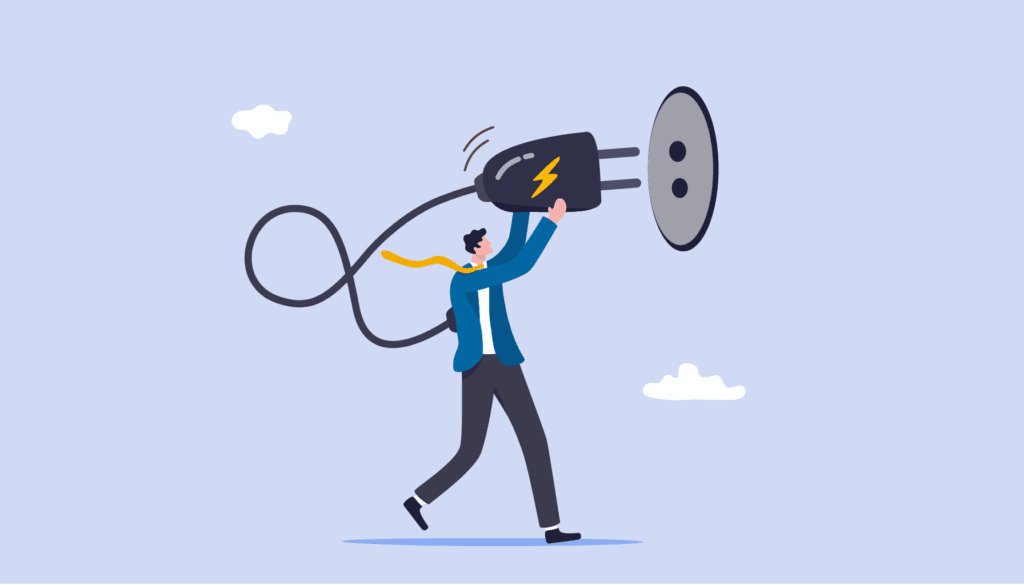
In the modern workplace, we often equate productivity with long hours, endless meetings, and constant hustle. But the truth is, your most valuable asset isn’t your schedule or your to-do list—it’s your energy. How you manage your physical, mental, and emotional energy determines how focused, creative, and effective you are at work. Treat it like the superpower it is, and you’ll accomplish more with less stress.
1. Know Where Your Energy Comes From
Energy isn’t just physical; it’s emotional and mental too. High-energy moments come from tasks that engage your skills, align with your values, and spark curiosity. Low-energy moments often come from prolonged stress, monotonous tasks, or draining interactions.
Tip: Keep a simple energy journal for a week. Note when you feel energized versus depleted, and look for patterns.
2. Protect Your Focus
Distractions, multitasking, and back-to-back meetings fragment your attention and drain energy quickly. Protecting blocks of uninterrupted time allows you to work deeply, creatively, and efficiently.
Tip: Schedule “focus blocks” during your peak energy hours and minimize notifications during these periods.
3. Prioritize Recovery
Just like a superhero needs rest between battles, your brain and body need recovery to perform at their best. Short breaks, movement, and mindfulness practices recharge your energy and prevent burnout.
Tip: Try the Pomodoro technique—25 minutes of focused work followed by a 5-minute break—and use longer breaks for walks or stretching.
4. Set Boundaries
Saying yes to everything can drain your energy quickly. Protect your time and attention by setting clear boundaries around work hours, meetings, and communications. Boundaries aren’t selfish—they’re strategic.
Tip: Communicate your availability clearly and respectfully. Decline tasks that don’t align with your priorities, or negotiate deadlines when possible.
5. Fuel Your Body and Mind
Energy isn’t unlimited—it depends on how you treat yourself. Proper nutrition, hydration, sleep, and movement all play a role in sustaining high performance. Your mental energy benefits from stimulating learning, creative challenges, and supportive connections.
Tip: Incorporate small habits like drinking water, short walks, or midday mindfulness exercises to maintain consistent energy levels.
Final Thoughts
Your energy is your superpower because it powers everything else you do at work—focus, creativity, problem-solving, and collaboration. Protect it, recharge it, and invest in it intentionally, and you’ll find yourself achieving more without burning out.
📌 What’s one way you plan to protect your energy at work this week? Share in the comments!