
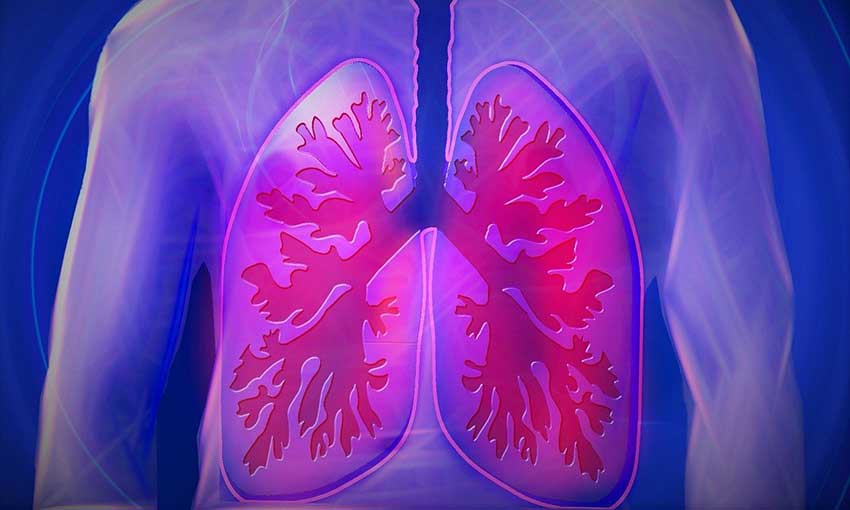
Are you searching for foods that reduce asthma symptoms and lung inflammation?
Although there is no food that will cure asthma, there are few powerful enough to reduce inflammation and help the lungs transfer oxygen, potentially reducing asthma attacks.
However, as much as we wish there were a natural way to cure asthma, doctors still suggest that bronchodilator medications are the best way to treat it.
About 1 in 13 people in the U.S. have asthma, according to the Centers for Disease Control and Prevention (CDC). That’s more than 25 million Americans with this awful disease (1).
I have asthma that comes and goes. Sometimes I can go months without my inhaler, whereas other months I’ll use it every day, 1-3x per day, for a week or two.
I also have type 1 diabetes, which can cause lung inflammation through hyperglycemia-induced oxidative tissue damage. These are free radicals formed from high blood glucose that can negatively affect the cardiovascular system, which the lungs rely on to function (2).
This is one reason I practice methods to strengthen a diabetic heart.
I’ve tried everything to rid of my asthma symptoms naturally.
I thought my asthma would get better moving from pollen-infested Pennsylvania to the clean beaches of Florida, but that didn’t help much. I’ve tried different methods of exercise and even air purifiers in my house—nope, didn’t help.
The only thing that has helped to reduce my lung flare ups was altering my diet. And so without further ado, let’s get to it.
Here is a list of healthy foods that reduce asthma symptoms and lung inflammation.
1. Beets (Betanin & Tryptophan)
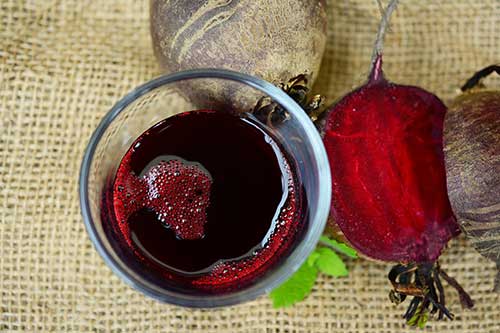
Beets are the way to go when trying to fight inflammation.
They are also one of the most powerful foods that boost the immune system. This superfood is the real deal, and there are lots of studies being done to prove its many health benefits.
Beetroot has tons of vitamins and minerals like Vitamin C, Vitamin B9, iron, potassium, and manganese, which have been linked to improved lung function. They are also rich in nitrates which relax blood vessels and help to optimize oxygen uptake (3).
Not to mention, beets are one of the foods that boost your mood!
This powerful vegetable get its color from phytonutrients called betalains—potent antioxidants that have been extensively studied in regard to their effects on human health such as being anti-cancerous.
Betanin is the most abundant betalain in beets. It’s known to neutralize reactive oxygen species (ROS) and hypochlorous acid (HC1O)—powerful oxidants produced by neutrophils which can cause various inflammatory diseases and respiratory disorders such as asthma (4)(5).
Tryptophan is another amino acid rich in beets that supports the regulation of a healthy immune response, which is a factor in asthma. Not only this, but studies show that low levels of tryptophan in the blood is a commonality amongst some people with inflammatory lung disease (6)(7).
How to get the most antioxidants from beets to reduce asthma symptoms and lung inflammation?
I like shaving a few slices of beets onto my salad. But to get the most antioxidants, try including Organic Beet Juice into your diet!
2. Turmeric (Curcumin)
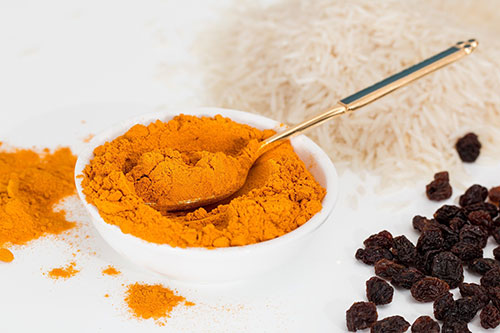
Turmeric is a food, usually consumed as a spice that comes from the plant Curcuma longa. It grows in Asia and Central America, and has been used for its extreme anti-inflammatory effects for thousands of years.
The most prominent active compounds in turmeric are called curcuminoids, which are powerful antioxidant polyphenols known to have many health benefits.
Curcumin is the main curcuminoid and has properties including anti-carcinogenic, anti-viral, anti-bacterial, anti-oxidant, and has been linked to improved lung function such as bronchial asthma (8).
How much curcumin should you take to potentially reduce asthma symptoms?
The National Cancer Institute and FDA suggest a healthy dose of curcumin to range from 0.9 – 3.6g/day for 1-4 months. Some people can get headaches if they take too much, so the PubMed Central study recommended their safest dose to be 1000mg given twice daily (8).
Personally, I take Organic Turmeric Curcumin with BioPerine. It seems to work for me and is infused with a black pepper extract to make the curcumin more bioavailable.
3. Black Raspberries (Vit-C & Anthocyanins)
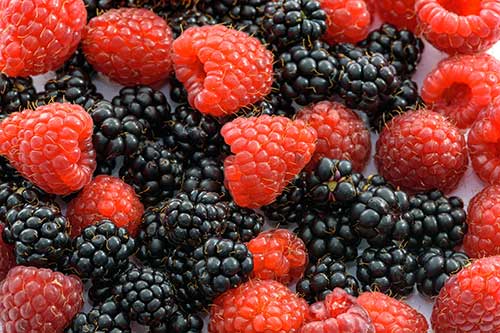
Let’s climb the ladder to the top of the beneficial fruits. That brings us not to red, but to black raspberries. They have potent amounts of Vitamin C and Vitamin E which have been studied to improve lung health.
In fact, Vitamin C is a major antioxidant that protects cells in the respiratory system from oxidative damage, and can reduce asthma-related symptoms such as wheezing and shortness of breath (9).
Black raspberries also have more antioxidants than red raspberries, due to their polyphenols.
Anthocyanins are black raspberries’ main polyphenol (which give them their deep black color), and studies show they are an excellent candidate for the prevention of asthma (10).
I love black raspberries. If I have to choose between red or black, I always choose black. They are healthier, sweeter, and are the perfect snack. I even put them in my smoothies!
I prefer Organic Black Raspberry Powder to get the most antioxidants. Just add a scoop into an 8 ounce glass of water every morning!
4. Spinach (Vit-C Beta Carotene)
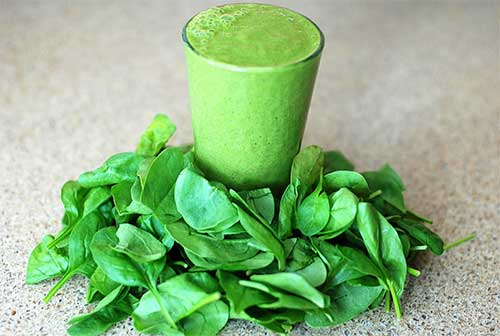
Next up on the list is spinach. It’s loaded with essential nutrients that help to improve lung function including omega-3 fatty acids, folate, calcium, potassium, and Vitamins C, A, E and K.
This mighty leafy green is also linked to improved brain function, heart disease, and regulating blood pressure.
Spinach has tons of flavonoids that are free radical scavengers and are beneficial for reducing asthma symptoms (11).
Spinach is also very high in carotenoids: beta-carotene and lutein + zeaxanthin. Low levels of beta-carotene in the blood have been associated with decreased lung function (12).
To top things off, spinach is rich in chlorophyll—a pigment that gives plants their green color and has benefits such as treating acne, aging of the skin, wound-healing, and cancer treatment (13).
I eat spinach a few times per week. Organic is the way to go. I always add a scoop of Organic Spinach Powder into my smoothies!
5. Tomatoes (Lycopene)
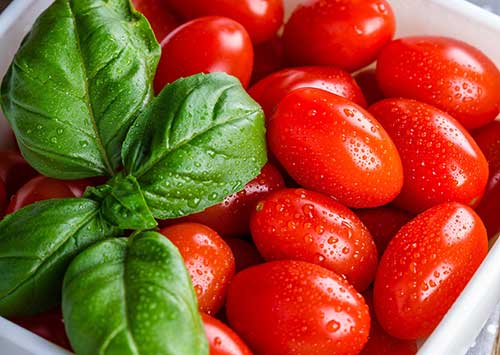
Last up: tomatoes. Not only are they delicious, especially the tiny cherry tomatoes that you can pop in your mouth (with a basil leaf!), but they are beneficial for improving lung function.
Tomatoes are an excellent source of the antioxidant lycopene—a naturally occurring carotenoid that gives tomatoes their color.
Giving the attribute of color is pretty cool, but it’s not as special as one of lycopene’s other functions: reducing asthma symptoms and lung inflammation (14).
Lycopene has also been studied to reduce cardiovascular damage and hypersecretion of mucus in the lungs. Tomatoes also have loads of vitamins and minerals including potassium, and Vitamins C, K, B5 and E, which help to promote healthier lungs.
Which tomato has the most lycopene to reduce asthma symptoms?
As a group, cherry tomatoes contain the most lycopene. But individually, the Roma plum takes 1st place, yielding the highest concentration of lycopene of all the tomatoes.
I have a routine of eating a few tomatoes per week—no special way. Having a healthy diet is something I strive for, and I try to stay away from fast-food as much as possible. It’s one of my smart goals to succeed in life.
Conclusion
No single food will cure asthma; however, if you eat enough of the right types of food, it can help reduce flareups. Remember: you are what you eat!
If you’re looking for an all-in-one that combines the most powerful antioxidants from various fruits and vegetables, try investing in a Green Superfood Powder. Just make sure to always check with your physician before trying out new supplements.
That’s it, my friends. Good luck, and happy breathing!
Here’s a quick recap of 5 Healthy Foods That Reduce Asthma Symptoms:
- Beets (Betanin & Tryptophan)
- Turmeric (Curcumin)
- Black Raspberries (Vitamin C & Anthocyanins)
- Spinach (Vitamin C & Beta Carotene)
- Tomatoes (Lycopene)
That’s all folks! Thanks for reading.
Feel free to comment below if you liked this article on 5 healthy foods that reduce asthma symptoms. I’d love to take questions or suggestions on other content you’d like to see on eHowdy!